ADVERTISEMENT
A mysterious object discovered on a quiet beach sparked fear and curiosity before revealing an important lesson about perception, marine debris, and environmental awareness.
A Shocking Beach Discovery That Wasn’t What It Seemed
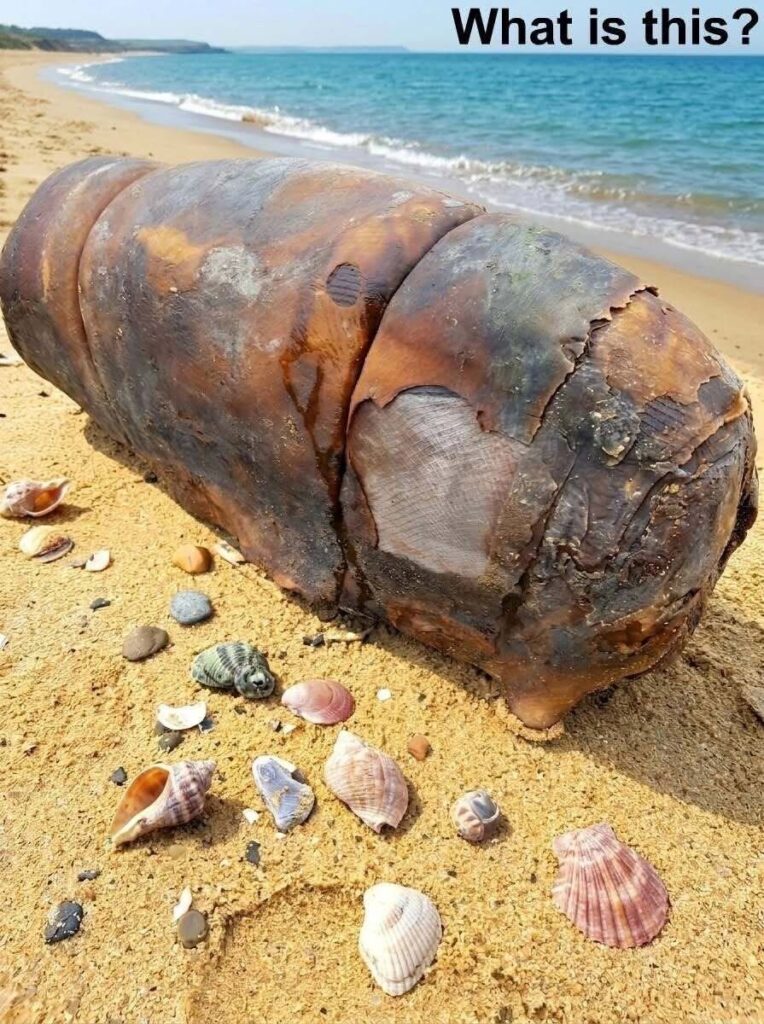
At first glance, it appeared to be a human body washed ashore.
The shape was unsettling. Half-buried in wet sand and darkened by years of exposure to the elements, the object stretched awkwardly along the shoreline. From a distance, it looked disturbingly lifelike, enough to stop anyone in their tracks.
ADVERTISEMENT
For a brief moment, fear took over.
The beach itself was calm. Waves rolled gently toward the shore, seagulls drifted overhead, and the salty ocean breeze carried a sense of peace. Yet the strange object transformed the atmosphere entirely. What had been a relaxing walk suddenly felt tense and mysterious.
As curiosity overcame hesitation, a closer inspection began to reveal a surprising truth.
Why Our Brains Often Expect the Worst
Human beings are naturally wired to recognize potential threats.
When we encounter something unusual, our minds often jump to dramatic conclusions before gathering all the facts. This instinct has helped humans survive for thousands of years, but it can also lead to mistaken assumptions.
In this case, every detail seemed to reinforce the worst possibilities:
- The unusual shape
- The weathered surface
- The exposed inner fibers
- The dark coloration caused by seawater and sun exposure
The object looked eerily organic. From a distance, it resembled muscle tissue, skin, or connective structures.
But appearances can be deceptive.
The Surprising Truth Behind the Mysterious Object
Upon closer examination, a distinct pattern emerged.
Beneath the damaged outer layer was a woven structure. The fibers were symmetrical, manufactured, and clearly artificial.
The object was not biological at all.
It was an old industrial marine cable.
Years of exposure to saltwater, sunlight, sand, and powerful ocean currents had transformed the cable beyond recognition. The protective outer casing had gradually eroded, exposing internal fibers that created a remarkably convincing illusion of organic material.
What looked like muscle was actually insulation.
What appeared to be skin was weathered protective coating.
What seemed like remains of a living organism was simply aging infrastructure being slowly reclaimed by nature.
How Ocean Exposure Changes Man-Made Objects
Marine environments are incredibly powerful forces of transformation.
Over time, seawater can alter the appearance of almost any material. Industrial cables, fishing equipment, marine infrastructure, and discarded machinery often become unrecognizable after years beneath the waves.
Common effects include:
Saltwater Corrosion
Salt accelerates the breakdown of protective materials and metal components.
UV Damage
Constant exposure to sunlight weakens surfaces and causes cracking, fading, and deterioration.
Mechanical Erosion
Waves, sand, and rocks gradually wear away outer layers, exposing internal structures.
Biological Growth
Marine organisms often attach themselves to submerged objects, further altering their appearance.
These processes can make ordinary objects appear strange, mysterious, and sometimes frightening.
What This Discovery Reveals About Marine Pollution
See more on the next page to continue reading →
ADVERTISEMENT