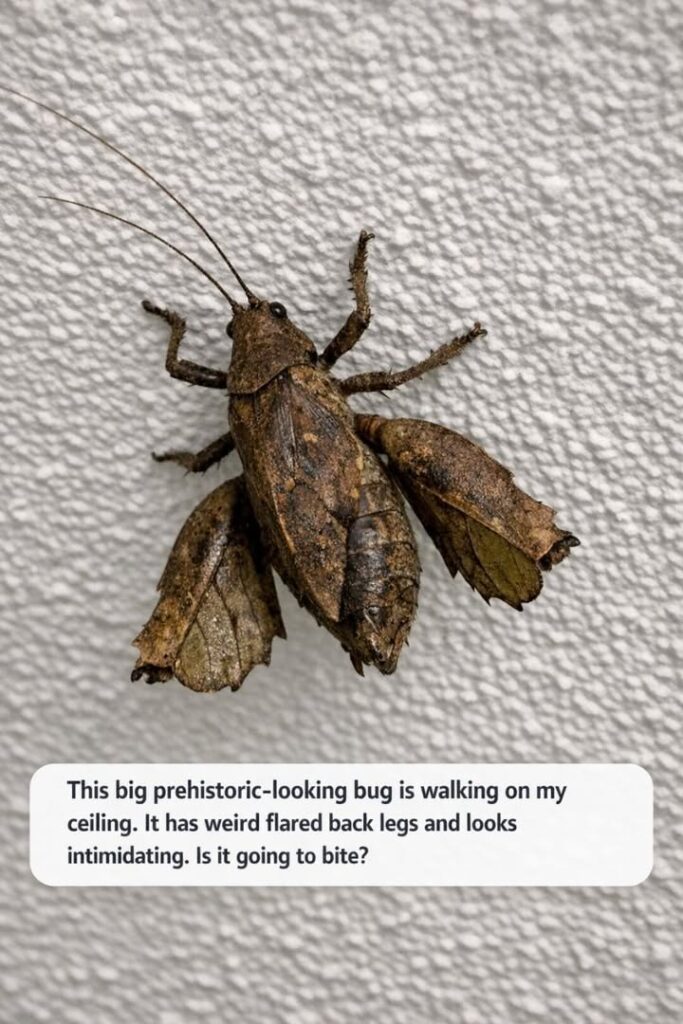
Can Western Conifer Seed Bugs Bite People?
ADVERTISEMENT
The short answer is: almost never.
These insects are plant feeders that use specialized mouthparts to extract nutrients from seeds found in pine, fir, spruce, and other conifer trees.
They are not interested in humans or animals as food sources.
ADVERTISEMENT
While a defensive jab can occur if a bug is squeezed or mishandled, it is extremely rare and generally causes little to no harm.
Are They Dangerous to Humans or Pets?
Fortunately, Western Conifer Seed Bugs are considered harmless household visitors.
They do not:
- Carry diseases
- Spread bacteria
- Inject venom
- Damage furniture
- Harm pets
Even if a curious pet accidentally eats one, serious health issues are unlikely. At most, the insect’s hard outer shell may cause mild digestive discomfort.
How to Tell Them Apart from Similar Bugs
Many people confuse Western Conifer Seed Bugs with other insects.
Western Conifer Seed Bug
✔ Leaf-shaped hind legs
✔ Long body
✔ Brown coloration
✔ Slow-moving
Kissing Bug
✘ No leaf-like hind legs
✘ Different body markings
✘ Potential disease concerns
Stink Bug
✘ Shield-shaped body
✘ Shorter, wider appearance
✘ Releases strong odor when disturbed
Cockroach
✘ Oval body shape
✘ Faster movement
✘ Different leg structure
The flared hind legs are often the easiest way to identify a Western Conifer Seed Bug.
Why Do They Enter Homes?
As temperatures drop during autumn and winter, these insects begin searching for protected places to spend the colder months.
This process is known as overwintering.
Homes provide:
- Warmth
- Shelter
- Protection from predators
- Stable temperatures
They commonly enter through:
- Window gaps
- Door cracks
- Foundation openings
- Utility penetrations
- Damaged screens
Once inside, they often appear on ceilings, walls, windows, and light fixtures.
Can They Damage Your Home?
No.
Unlike termites, carpenter ants, or wood-boring insects, Western Conifer Seed Bugs do not damage structures.
They also do not:
- Eat wood
- Damage insulation
- Destroy furniture
- Infest stored food
Their presence is usually more of an annoyance than a true pest problem.
What Should You Do If You Find One Indoors?
If you discover one on your wall or ceiling, there’s no reason to panic.
Safe Removal Methods
Cup and Paper Method
- Place a cup over the insect.
- Slide a piece of paper underneath.
- Carry it outside and release it.
Vacuum Method
Use a vacuum hose attachment to remove the insect.
Be sure to empty the vacuum contents outdoors afterward.
Avoid Crushing Them
Although they don’t produce odors as strong as stink bugs, squashing them may leave stains or release a mild scent.
How to Prevent Western Conifer Seed Bugs from Entering
Prevention is the most effective solution.
Seal Entry Points
Inspect your home for:
- Cracks around windows
- Door gaps
- Foundation openings
- Utility line penetrations
Seal openings with caulk or weatherproof materials.
Repair Screens
Check all window and vent screens for holes or damage.
Reduce Outdoor Lighting
These insects can be attracted to lights at night.
Using fewer exterior lights during peak activity periods may help reduce their presence.
Maintain Weather Stripping
Properly sealed doors and windows make it harder for insects to enter.
When Should You Contact Pest Control?
In most situations, professional treatment is unnecessary.
However, you may want expert assistance if:
- Large numbers are entering your home repeatedly
- You cannot identify the insect with certainty
- Multiple pest species are entering at the same time
- Entry points are difficult to locate
A pest control professional can inspect your home and recommend long-term prevention strategies.
Final Thoughts
The Western Conifer Seed Bug may look intimidating, but it’s one of the more harmless insects you might encounter indoors. Despite its unusual appearance and large size, it poses little threat to humans, pets, food, or property.
Most often, these bugs are simply seeking warmth during colder months and accidentally find their way inside. By learning how to identify them and sealing potential entry points, you can manage their presence without worry.
The next time you spot one crawling across your ceiling, you’ll know exactly what it is—and why there’s usually no reason for concern.
Frequently Asked Questions
Do Western Conifer Seed Bugs bite?
Rarely. They are plant-feeding insects and generally do not bite humans.
Are Western Conifer Seed Bugs poisonous?
No. They are not poisonous or venomous.
Why do they come inside homes?
They enter buildings to find shelter and warmth during colder weather.
Do they damage houses?
No. They do not chew wood, damage structures, or infest food.
What’s the best way to remove one?
Capture it using a cup and paper and release it outdoors.
ADVERTISEMENT