ADVERTISEMENT
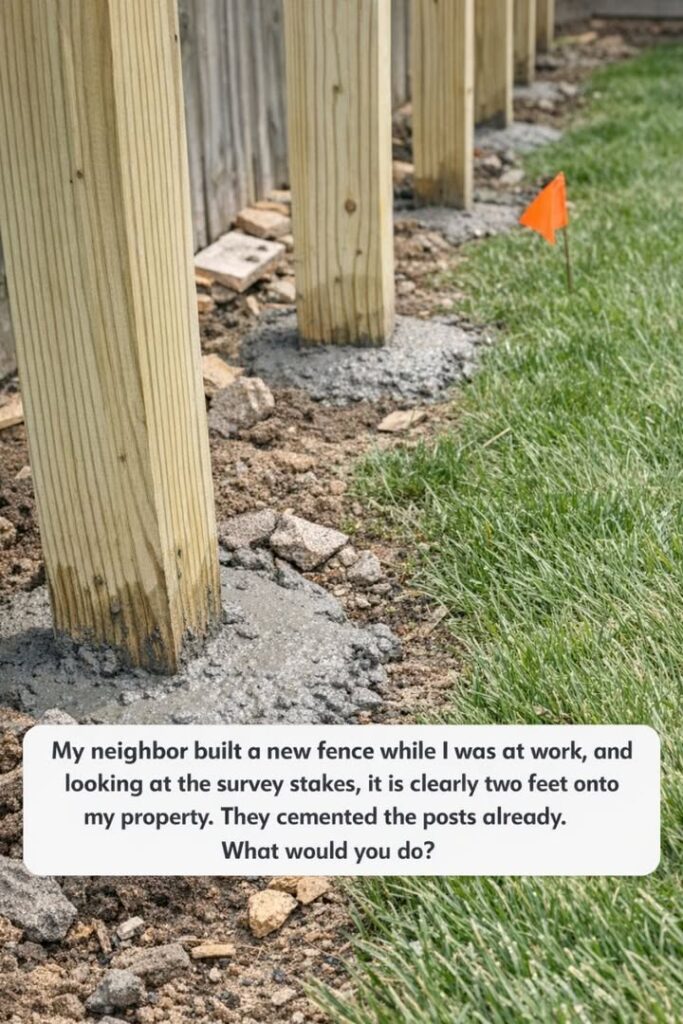
Discovering that a neighbor has built a fence that extends onto your property can be both frustrating and stressful. Whether the encroachment is a few inches or several feet, it’s important to address the situation carefully and professionally to protect your property rights while minimizing conflict.
Property boundary disputes are among the most common disagreements between neighbors. Fortunately, there are practical steps you can take to verify the facts, communicate effectively, and resolve the issue before it escalates into a costly legal battle.
This guide explains what homeowners should do if they discover a fence, structure, or other improvement has been built across their property line.
ADVERTISEMENT
1. Stay Calm and Document the Situation
Your first reaction may be anger or frustration, but taking a measured approach is essential.
Begin by documenting everything:
- Take clear photographs from multiple angles
- Capture existing survey markers or property stakes
- Record measurements showing the encroachment
- Note the date you discovered the issue
Detailed documentation can become valuable evidence if the matter later requires mediation or legal action.
2. Verify Your Property Boundaries
Before confronting your neighbor, make sure your understanding of the property line is accurate.
Review:
- Property deed
- Closing documents
- Previous land surveys
- Title records
Property lines are not always where homeowners assume they are, so verification is critical before making any claims.
3. Obtain a Professional Land Survey
If there is any uncertainty regarding the boundary, hiring a licensed surveyor is often the most important step.
A professional survey can:
- Accurately identify property lines
- Locate boundary markers
- Provide legally recognized documentation
- Clarify disputes before they escalate
A current survey often carries significant weight during negotiations and legal proceedings.
4. Speak With Your Neighbor Respectfully
Many encroachments occur because of misunderstandings, contractor errors, or inaccurate assumptions about property lines.
Arrange a calm conversation and:
- Share your findings
- Present photographs or survey information
- Listen to their perspective
- Focus on solutions rather than blame
An amicable discussion may resolve the matter quickly without further conflict.
5. Send a Written Notice
If a verbal conversation does not resolve the issue, follow up with a formal written notice.
Your letter should include:
- Description of the encroachment
- Supporting documentation
- Request for corrective action
- Reasonable timeline for response
Written communication creates an official record of your efforts to resolve the dispute.
6. Research Local Property and Fence Regulations
Property laws vary significantly by location.
Contact your local:
- Building department
- Zoning office
- Municipal planning department
Determine whether:
- Permits were required
- Fence setbacks apply
- Local ordinances were violated
Understanding local regulations can strengthen your position and clarify available remedies.
7. Consider Mediation Before Litigation
Mediation can often resolve disputes faster and less expensively than court proceedings.
Benefits include:
- Lower costs
- Faster resolutions
- Reduced hostility
- Flexible solutions
A neutral mediator can help both parties reach a mutually acceptable agreement while preserving neighborly relationships.
8. Consult a Real Estate Attorney
If the encroachment is significant or negotiations stall, consult an attorney who specializes in real estate or property law.
An attorney can help:
- Evaluate your legal options
- Interpret survey results
- Draft demand letters
- Negotiate settlements
- Represent you in court if necessary
Early legal guidance may prevent costly mistakes.
9. Decide Whether to Remove the Fence or Negotiate
Depending on the circumstances, several solutions may be available.
Fence Removal
You may request that the fence be relocated entirely onto the neighbor’s property.
Boundary Agreement
Both parties may agree on a revised boundary arrangement.
Easement Agreement
You may grant permission for the structure to remain through a legal easement, sometimes in exchange for compensation.
Each option carries different legal and financial consequences, making professional advice important.
10. Prepare for Court if Necessary
When negotiations fail, legal action may become unavoidable.
Be prepared to present:
- Survey reports
- Property records
- Photographs
- Written correspondence
- Witness statements
- Professional opinions
The strength of your documentation often plays a critical role in the outcome.
11. Protect Yourself From Future Boundary Disputes
Once the issue is resolved, take proactive measures to avoid future problems.
Consider:
- Maintaining visible boundary markers
- Keeping updated surveys
- Recording agreements in writing
- Reviewing property lines before construction projects
- Communicating early about shared boundary concerns
Preventive steps can save significant time, money, and stress later.
Common Questions About Fence Encroachment
Can a neighbor legally build a fence on my property?
Generally, no. Property owners typically cannot build structures on land they do not own without permission.
What if the fence only crosses the property line by a few inches?
Even minor encroachments can create legal complications and should be addressed promptly.
Do I need a survey before taking action?
While not always legally required, a professional survey is often the strongest evidence available in a boundary dispute.
Should I remove the fence myself?
In most cases, no. Removing a neighbor’s structure without proper legal guidance can create additional liability and complications.
When should I hire an attorney?
If the encroachment is significant, disputed, or not resolved through communication, consulting an attorney is often advisable.
Final Thoughts
Discovering that a neighbor’s fence extends onto your property can be upsetting, but responding strategically can lead to a fair resolution. By documenting the situation, verifying property boundaries, communicating respectfully, and seeking professional assistance when necessary, you can protect your property rights while reducing the likelihood of a prolonged dispute.
Taking action early is often the best way to prevent small boundary issues from becoming major legal problems.
ADVERTISEMENT