Food Safety vs. Food Quality
Understanding this distinction can save both food and money.
Foods Often Safe After the Printed Date
When stored properly, these foods may remain usable well beyond their labeled dates.
Canned Foods
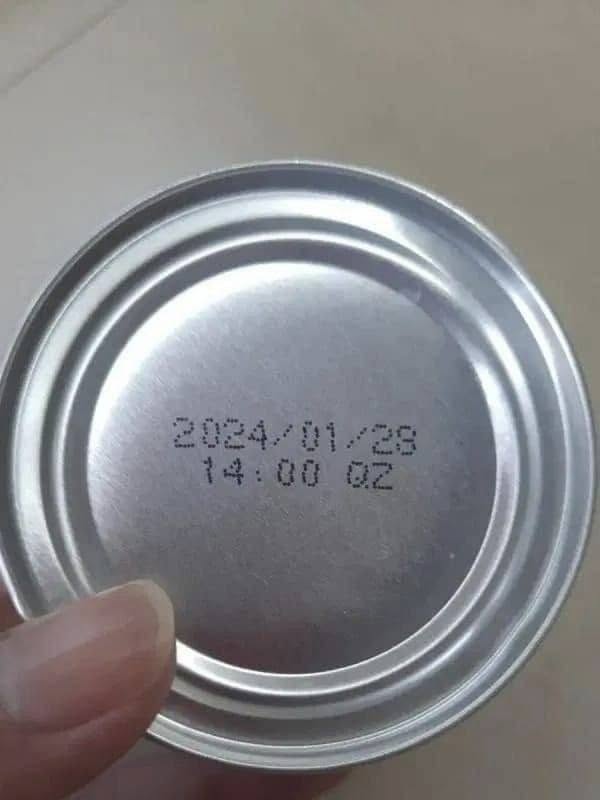
Properly stored canned goods can often last years beyond the printed date if the cans remain intact.
Dry Pasta
Unopened dry pasta can stay safe for extended periods when kept in a cool, dry place.
Rice
White rice stored in airtight containers may last for years.
Hard Cheeses
Small mold spots can often be cut away safely, leaving the remaining cheese usable.
Eggs
The water float test can help assess freshness:
- Fresh eggs sink.
- Older eggs may stand upright.
- Spoiled eggs tend to float.
Signs Food Should Be Discarded Immediately
Dates should never replace common sense.
Always throw away food if you notice the following warning signs.
Dairy Products
- Sour smell
- Curdling
- Unusual texture
Meat and Poultry
- Slimy surface
- Strong unpleasant odor
- Discoloration
Bread
- Visible mold growth
- Strange smell
Even a small patch of mold can indicate deeper contamination.
Cooking Oils
- Rancid smell
- Bitter taste
Practical Ways to Reduce Food Waste
Reducing waste benefits both your wallet and the environment.
Trust Your Senses
Before throwing food away, check:
- Appearance
- Smell
- Texture
These indicators often provide more useful information than the date alone.
Freeze Foods Before They Expire
Freezing can significantly extend the life of:
- Bread
- Meat
- Milk
- Fruits
- Vegetables
Organize Your Refrigerator
Place older items toward the front so they are used first.
Repurpose Overripe Produce
Instead of throwing away ripe fruit, use it in:
- Smoothies
- Muffins
- Banana bread
- Fruit sauces
The Financial Cost of Food Waste
Food waste doesn’t just affect the environment—it impacts household budgets.
Studies estimate that many families lose hundreds or even thousands of dollars annually by discarding food that is still safe to eat.
By understanding food date labels and practicing proper food storage, households can significantly reduce grocery expenses while minimizing waste.
Smart Food Storage Tips
To maximize freshness and food safety:
- Keep refrigerators at or below 40°F (4°C)
- Freeze foods you won’t use soon
- Store dry goods in airtight containers
- Label leftovers with storage dates
- Follow recommended refrigeration guidelines
Proper storage is often more important than the date printed on the package.
Frequently Asked Questions
Are Expiration Dates Legally Required?
For most foods, no.
The primary exception is infant formula, which has federally regulated expiration dates.
Can Canned Foods Last Beyond Their Dates?
Yes. Properly stored canned foods often remain safe long after the printed date if the can is not damaged.
Is the Float Test Reliable for Eggs?
The float test can indicate age, but if an egg smells bad after cracking, discard it immediately.
Should I Ignore Date Labels Completely?
No.
Dates provide useful quality information, but they should be considered alongside proper storage conditions and signs of spoilage.
Final Thoughts
Food expiration labels can be helpful, but they don’t always tell the full story. In many cases, foods remain safe well beyond their printed dates when stored properly and inspected carefully.
Understanding the difference between best by, sell by, use by, and expiration dates can help you make smarter decisions, reduce food waste, improve food safety awareness, and save money on groceries.
The next time you’re tempted to throw something away because of a date on the package, take a closer look. Your senses—and your wallet—may thank you.