Learn the truth about food expiration dates, food safety, and proper food storage. Discover how to reduce food waste, save money, and know when food is truly unsafe to eat.
The Truth About Food Expiration Dates: What Every Consumer Should Know
Have you ever thrown away food simply because the date on the package had passed?
You’re not alone.
Millions of households discard perfectly good food every year due to confusion surrounding expiration labels. The reality is that many food date labels are designed to indicate quality—not safety. Understanding the difference can help reduce food waste, protect your grocery budget, and make smarter decisions in the kitchen.
Let’s break down what these labels really mean and how to determine whether food is still safe to eat.
Why Expiration Dates Cause So Much Confusion
Many consumers assume that a printed date means food becomes dangerous immediately afterward. In most cases, that’s simply not true.
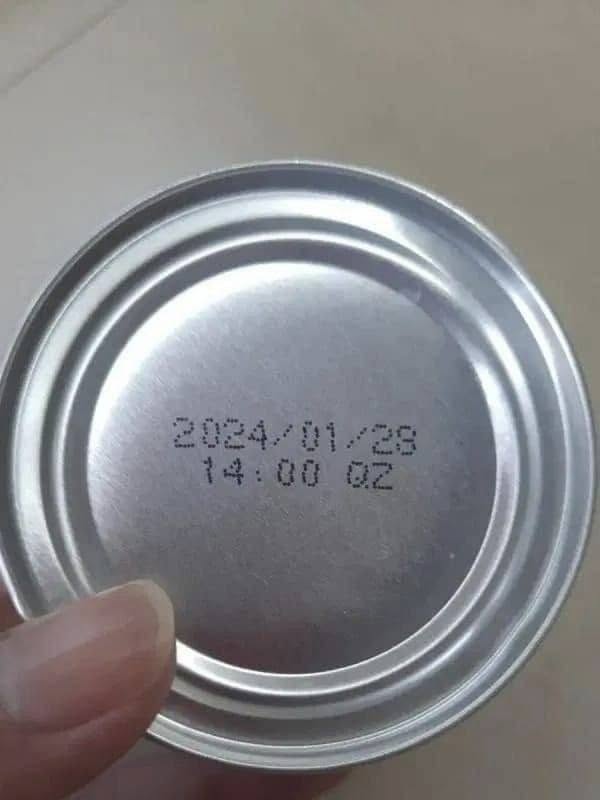
Manufacturers often use date labels to indicate when a product is expected to be at its peak flavor, texture, or freshness. These dates are generally not federally regulated for most foods and should not always be viewed as strict safety deadlines.
Learning how to interpret these labels can help you save money while reducing unnecessary waste.
Understanding Common Food Date Labels
1. Best Before or Best By
This is one of the most misunderstood labels.
What It Means
The product is expected to maintain its best flavor, texture, and quality before this date.
What It Does Not Mean
It does not automatically mean the food is unsafe after the date passes.
Example
Crackers may lose some crispness after the best-by date but can still be perfectly edible if stored properly.
General Rule
Many shelf-stable foods remain safe weeks or even months beyond their best-by date.
2. Sell By
This label is intended primarily for retailers.
What It Means
Stores use this date to manage inventory and rotate products.
Consumer Tip
Many perishable foods remain usable for several days after the sell-by date when refrigerated correctly.
For example:
- Milk often remains fresh for several days after the printed date.
- Yogurt may last even longer when unopened and refrigerated.
3. Use By
This date reflects the manufacturer’s estimate of peak quality.
Important Note
The “use by” date is generally about freshness rather than safety for most foods.
However, it should be followed more carefully for products intended for infants.
4. Expires On
This is one of the few date labels tied directly to safety regulations.
Most Commonly Used For
- Infant formula
- Certain medications
When these products reach their expiration date, they should not be consumed.
Food Safety vs. Food Quality