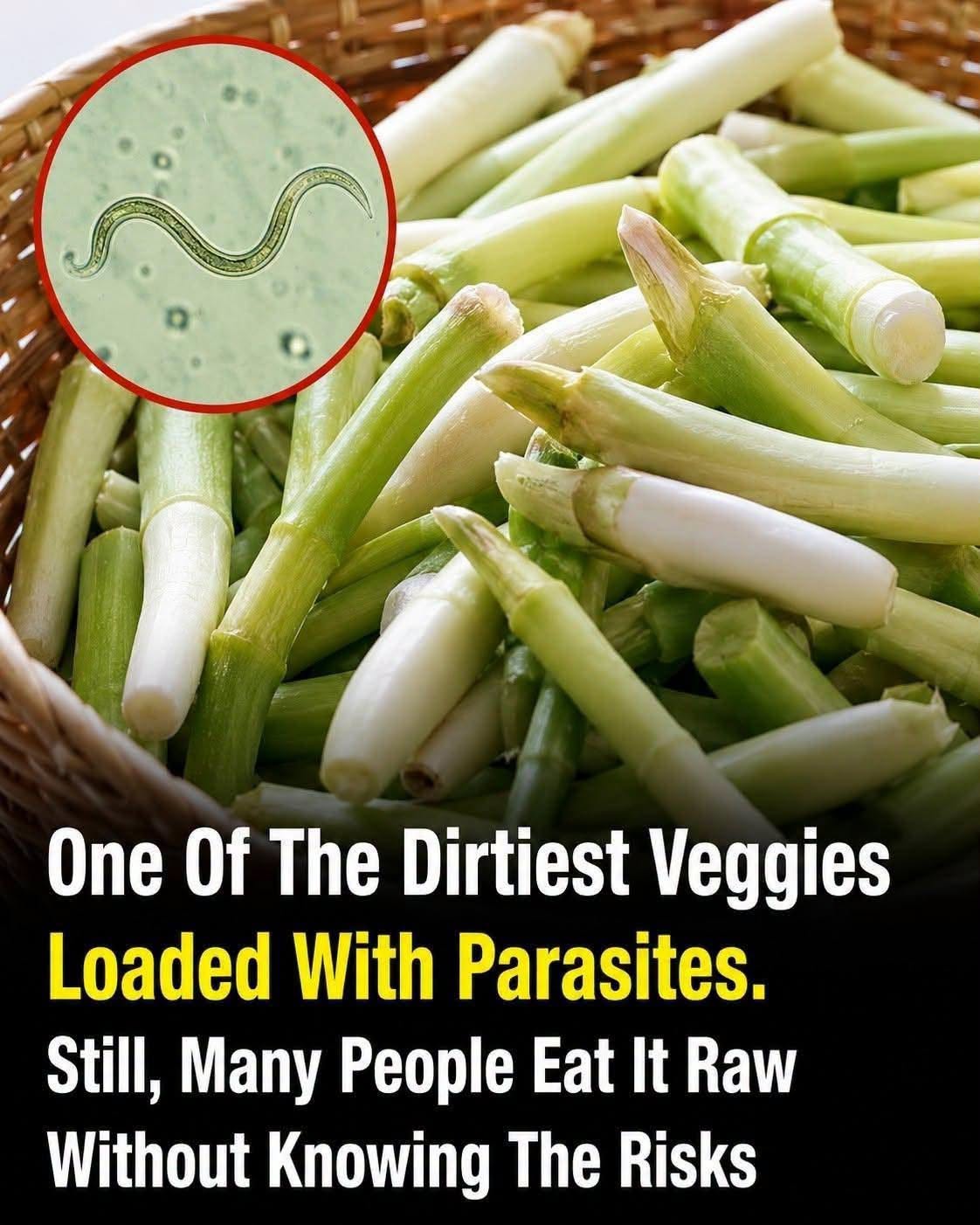
Wash them under running water. Rinse them thoroughly.
Scrub them. Use a brush to scrub them.
Separate the leaves. Separate the leaves to wash them.
Wash the roots. Wash the roots.
Use a produce wash. You can use a produce wash.
Dry them thoroughly. Dry them with a paper towel.
2. Cook Them
Cook them. Cooking kills bacteria.
Sauté them. Sauté them in a little oil.
Roast them. Roast them in the oven.
Add them to soups and stews. They add flavor and are cooked.
Grill them. Grilled green onions are delicious.
3. Store Them Properly
Store them in the refrigerator. Keep them cold.
Don’t wash them before storing. Wash them just before using.
Keep them dry. Moisture can promote bacterial growth.
Use them within a few days. They are best when fresh.
Don’t store them with other produce. They can cross-contaminate.
The Science Behind It
Bacteria can survive. Bacteria can survive on the surface of green onions.
Bacteria can grow. Bacteria can grow in the layers.
Bacteria can cause illness. Bacteria can cause foodborne illness.
Cooking kills bacteria. Cooking kills the bacteria.
Proper washing reduces the risk. Proper washing reduces the risk.
Frequently Asked Questions
Can raw green onions make you sick?
Yes, they can carry bacteria.
How can I wash them safely?
Wash them thoroughly under running water.
Can I eat them raw?
Yes, but it’s best to wash them well.
What are the symptoms of foodborne illness?
Diarrhea, nausea, vomiting, and fever.
Are green onions worth the risk?
Yes, but you need to be careful.
A Final Thought
When I learned about the risks of raw green onions, I started washing them more carefully. It’s a simple step that can protect my health.
Do you wash your green onions before eating them? Share your tips in the comments. 🧅🩺
Dear friend, I’d like to ask you a small favor. After you finish reading the article, please share it with your friends and help spread it. It would mean a lot to me. ❤️