How Long Do Eggs Stay Fresh?
According to food safety guidelines, properly refrigerated eggs can remain safe and maintain quality for several weeks after their pack date.
For best results:
- Keep eggs refrigerated at 40°F (4°C) or below.
- Store eggs in their original carton.
- Place them inside the refrigerator rather than on the door, where temperatures fluctuate more frequently.
Proper storage is one of the biggest factors affecting freshness and safety.
What’s the Difference Between Pack Date and Sell-By Date?
Many consumers confuse these dates.
Pack Date
Shows when the eggs were packaged.
Sell-By Date
Helps retailers manage inventory and stock rotation.
The sell-by date does not necessarily indicate when eggs become unsafe to eat.
Understanding the pack date provides a more complete picture of egg freshness.
Why Egg Freshness Matters
Fresh eggs generally offer:
- Better texture
- Improved flavor
- More reliable baking results
- Stronger whites and yolks
Older eggs may still be safe if stored correctly, but their quality can gradually decline over time.
Common Signs Eggs May No Longer Be Fresh
Always inspect eggs before using them.
Warning signs may include:
Unpleasant Odor
A strong sulfur-like or rotten smell is a clear sign the egg should be discarded.
Cracked Shells
Damaged shells can allow bacteria and contaminants to enter.
Unusual Appearance
Discoloration, abnormal textures, or strange consistency may indicate spoilage.
When in doubt, it’s safest to throw the egg away.
The Float Test: A Popular Freshness Check
One simple method many people use is the float test.
How to Perform It
- Fill a bowl with cold water.
- Gently place the egg in the water.
Results
- Sinks and lies flat: Very fresh
- Sinks but stands upright: Older but often still usable
- Floats: Likely too old and should be discarded
While not a perfect safety test, it can provide a rough estimate of freshness.
Could Old Eggs Cause Foodborne Illness?
Foodborne illness can occur when harmful bacteria contaminate food.
However, determining the exact cause of illness requires proper investigation, and it is not always possible to identify a single ingredient as the source.
Practicing safe food handling reduces risk significantly.
Smart Egg Safety Habits
Follow these simple guidelines:
- Refrigerate eggs promptly.
- Cook eggs thoroughly when appropriate.
- Wash hands after handling raw eggs.
- Clean surfaces and utensils that contact raw egg.
- Check carton dates before purchasing.
- Discard eggs with cracks or unusual odors.
Frequently Asked Questions
Is the Julian date the expiration date?
No. The Julian date indicates when the eggs were packed, not when they expire.
Are eggs safe after the sell-by date?
Often, yes, if they have been properly refrigerated and show no signs of spoilage.
Why are eggs stored in cartons?
The carton protects eggs from damage, moisture loss, and absorbing odors from other foods.
What’s the best way to store eggs?
Keep them in their original carton in the coldest part of the refrigerator.
Final Thoughts
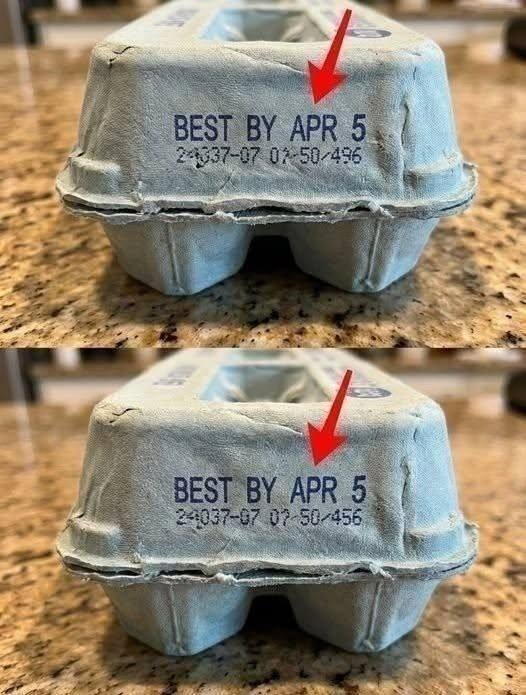
That small three-digit number on your egg carton isn’t random—it provides valuable information about when your eggs were packed. By learning how to read the Julian date and practicing proper food storage habits, you can make more informed decisions about freshness, quality, and kitchen safety.
The next time you buy eggs, take a moment to check the carton. That tiny code may tell you more than you think.