Production and Supply Chain
Pepper vines take years to mature, making supply inelastic. Droughts, diseases, or labor issues can cause shortages. McCormick sources premium peppercorns, hand-harvesting and sun-drying them for quality.
Health and Culinary Importance
Black pepper contains piperine, which enhances nutrient absorption and has antioxidant properties. It’s essential in cuisines worldwide, from French steak au poivre to Indian curries to American table shakers.
Reducing quantities subtly impacts home cooks who rely on it daily. That missing 0.5 oz might not seem much, but over multiple purchases, it adds up—especially for frequent users.
Consumer Impact: How Shrinkflation Affects Your Wallet
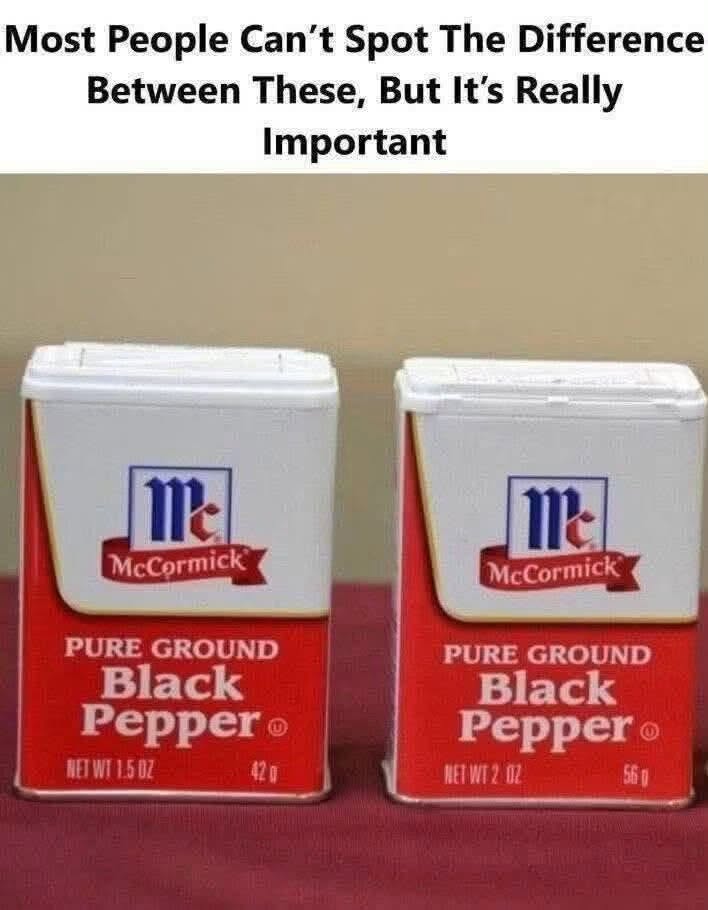
Let’s quantify the McCormick example. Assume a 2 oz tin historically cost $3. That’s $1.50 per ounce. If the 1.5 oz replacement costs the same $3, you’re now paying $2 per ounce—a 33% effective price increase.
Over a year, if a household uses 12 oz of pepper:
- Old way: 6 x 2 oz tins = $18.
- New way: 8 x 1.5 oz tins = $24.
That’s $6 extra annually for one spice. Multiply across groceries, and shrinkflation erodes purchasing power.
Psychologically, it breeds distrust. Consumers feel tricked, leading to brand switching or bulk buying alternatives.
Legal and Regulatory Responses
The 2015 McCormick lawsuits highlighted gaps in regulation. While net weight must be disclosed, there’s no requirement to highlight reductions or change packaging dramatically.
Some countries, like parts of Europe, have stricter rules against misleading packaging. In the U.S., the FTC monitors deceptive practices, but enforcement is inconsistent.
Advocacy groups push for “unit pricing” mandates (price per ounce displayed prominently) to empower comparison shopping.
How to Spot and Combat Shrinkflation
- Always Check Net Weight: Don’t rely on package size.
- Compare Unit Prices: Grocery apps or shelf labels help.
- Buy in Bulk or Alternatives: Warehouse clubs or generic brands often offer better value.
- Store Properly: Pepper lasts longer in whole form—invest in a grinder.
- Support Transparent Brands: Seek companies that announce changes openly.
Freshly ground peppercorns often taste better anyway, with more volatile oils intact.
The Future of Packaging and Consumer Awareness
McCormick has since emphasized sustainability, using recycled plastic and reducing air in bottles for freshness. But the pepper tin saga remains a lesson in corporate responsibility.
As consumers grow wiser—fueled by social media virality—companies may face more pressure to avoid stealth reductions. Technology like smart labels or apps could further transparency.
Ultimately, that viral image isn’t just about pepper; it’s about empowering informed choices in an era of economic subtlety.
Conclusion: Pay Attention to the Details
The difference between a 1.5 oz and 2 oz McCormick black pepper tin may seem trivial, but it encapsulates shrinkflation’s insidious nature. It reminds us that “small” changes can have cumulative impacts on budgets, trust, and fairness.
Next time you’re in the spice aisle, pause and read the label. Your wallet—and your meals—will thank you. In a world of distractions, spotting these differences is more important than ever.