Signs of Fresh Meat
Before purchasing meat, take a moment to inspect it carefully.
1. Color
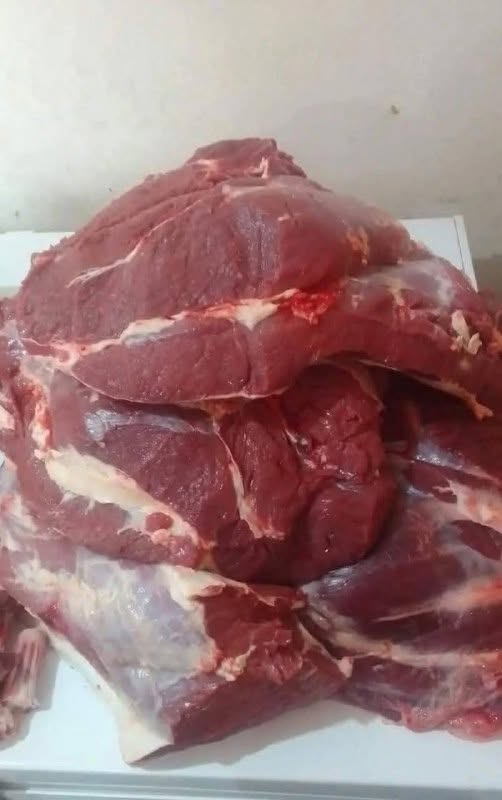
Fresh meat should generally have a vibrant appearance.
Depending on the type of meat:
- Beef is typically bright red or cherry red
- Pork is usually pinkish-red
- Chicken should appear pale pink
Slight color variations are normal, but meat that appears excessively dull, gray, or discolored may be approaching the end of its shelf life.
2. Smell
Fresh meat should have little to no odor.
A strong sour, acidic, or unpleasant smell may indicate spoilage.
If an odor seems questionable, it’s best to avoid purchasing the product.
3. Texture
Quality meat should feel firm and slightly moist.
Avoid products that appear:
- Slimy
- Sticky
- Excessively wet
These characteristics can indicate improper storage or deterioration.
4. Packaging Condition
Examine the packaging carefully.
Look for:
- Properly sealed containers
- No tears or leaks
- Minimal excess liquid
- Clear expiration or use-by dates
Damaged packaging can compromise freshness and food safety.
What About Previously Frozen Meat?
Many consumers assume frozen meat is lower quality, but that’s not always true.
Proper freezing can help preserve freshness and nutritional value.
However, it’s important that thawed products are clearly labeled and handled according to food safety standards.
If purchasing thawed meat, plan to cook it within the recommended timeframe.
Food Safety Tips at Home
Even the freshest meat can become unsafe if handled improperly.
Store Correctly
Keep meat refrigerated at safe temperatures and use it before the recommended date.
Avoid Cross-Contamination
Use separate cutting boards and utensils for raw meat and ready-to-eat foods.
Cook Thoroughly
Follow recommended cooking temperatures for beef, poultry, pork, and seafood.
Freeze When Necessary
If you don’t plan to use meat within a few days, freezing can help maintain quality and reduce waste.
How to Shop for Better Quality Meat
Buy From Trusted Sources
Choose reputable grocery stores, local butchers, or specialty meat markets with strong food safety practices.
Check Dates Carefully
Always review:
- Sell-by dates
- Use-by dates
- Packaging dates
Observe Product Turnover
Stores with high customer traffic often replenish products more frequently.
Ask Questions
Don’t hesitate to ask staff about sourcing, storage practices, or whether a product has been previously frozen.
Frequently Asked Questions
Is Frozen Meat Safe to Eat?
Yes. Properly frozen and stored meat remains safe and can maintain excellent quality.
What Causes Meat to Change Color?
Exposure to oxygen, packaging methods, and storage conditions can all affect color.
Should Meat Have Liquid in the Package?
A small amount of liquid is normal, but excessive pooling may indicate reduced freshness.
Can I Cook Meat After the Expiration Date?
Always follow manufacturer guidelines and inspect the product carefully. When in doubt, it’s safest to discard it.
Final Thoughts
Understanding how to evaluate meat quality can help you make smarter purchasing decisions and improve food safety at home. By paying attention to color, smell, texture, packaging, and storage practices, you can confidently select fresh meat and avoid common shopping mistakes.
A few extra seconds of inspection at the store can lead to better meals, less waste, and greater peace of mind for you and your family.