Provide the Right Light Conditions
Bright Indirect Light Is Best
Light plays a major role in encouraging healthy growth and potential flowering.
For best results:
- Place the plant near a bright window
- Provide several hours of indirect sunlight daily
- Avoid prolonged exposure to harsh afternoon sun
Although Snake Plants tolerate low-light environments, brighter conditions generally support stronger growth and increase the likelihood of blooming.
Maintain Ideal Indoor Temperatures
Snake Plants prefer warm conditions similar to their native habitat.
Recommended Temperature Range
For optimal growth:
- 65°F to 80°F (18°C to 27°C)
- Avoid temperatures below 50°F (10°C)
- Protect from cold drafts and sudden temperature fluctuations
Consistent warmth helps the plant remain healthy and reduces stress.
Water Correctly
One of the most common reasons Snake Plants struggle is overwatering.
Let the Soil Dry Completely
Before watering:
- Check that the soil is fully dry
- Water thoroughly but infrequently
- Reduce watering during winter months
Snake Plants store water in their leaves, making them highly drought-tolerant.
In many cases, less water leads to healthier plants.
Fertilize During Active Growth
Proper nutrition supports healthy foliage and root development.
Use a Balanced Fertilizer
During spring and summer:
- Apply a diluted liquid houseplant fertilizer every 3–4 weeks
- Follow package instructions carefully
- Avoid excessive fertilization
Overfeeding can damage roots and may reduce the plant’s overall health.
During fall and winter, fertilization is generally unnecessary.
Choose Well-Draining Soil
Healthy roots are essential for flowering potential.
Best Soil Mix for Snake Plants
Use:
- Cactus soil
- Succulent potting mix
- Well-draining indoor plant soil
Good drainage prevents excess moisture from accumulating around the roots.
Poor drainage can quickly lead to root rot and other common plant problems.
Avoid Frequent Repotting
Interestingly, slightly root-bound Snake Plants often perform exceptionally well.
Let the Plant Settle
Many growers report that mature plants are more likely to flower when:
- Roots have filled much of the container
- The plant remains undisturbed
- Repotting is only done when necessary
Avoid moving or repotting the plant too frequently.
Can Stress Encourage Flowering?
Some experienced gardeners believe that mild environmental stress may encourage flowering in mature Snake Plants.
Examples include:
- Slightly restricted root space
- Reduced watering frequency
- Consistent bright light
However, stress should never be excessive, as unhealthy plants are unlikely to bloom.
Common Mistakes That Prevent Flowering
Overwatering
The most common issue among Snake Plant owners.
Insufficient Light
Low-light conditions can slow growth and reduce flowering potential.
Excessive Fertilizer
Too much fertilizer may promote foliage growth at the expense of blooms.
Frequent Relocation
Snake Plants prefer stability and may take time to adjust to new environments.
What to Expect When Your Snake Plant Blooms
If your plant flowers, you’ll likely notice:
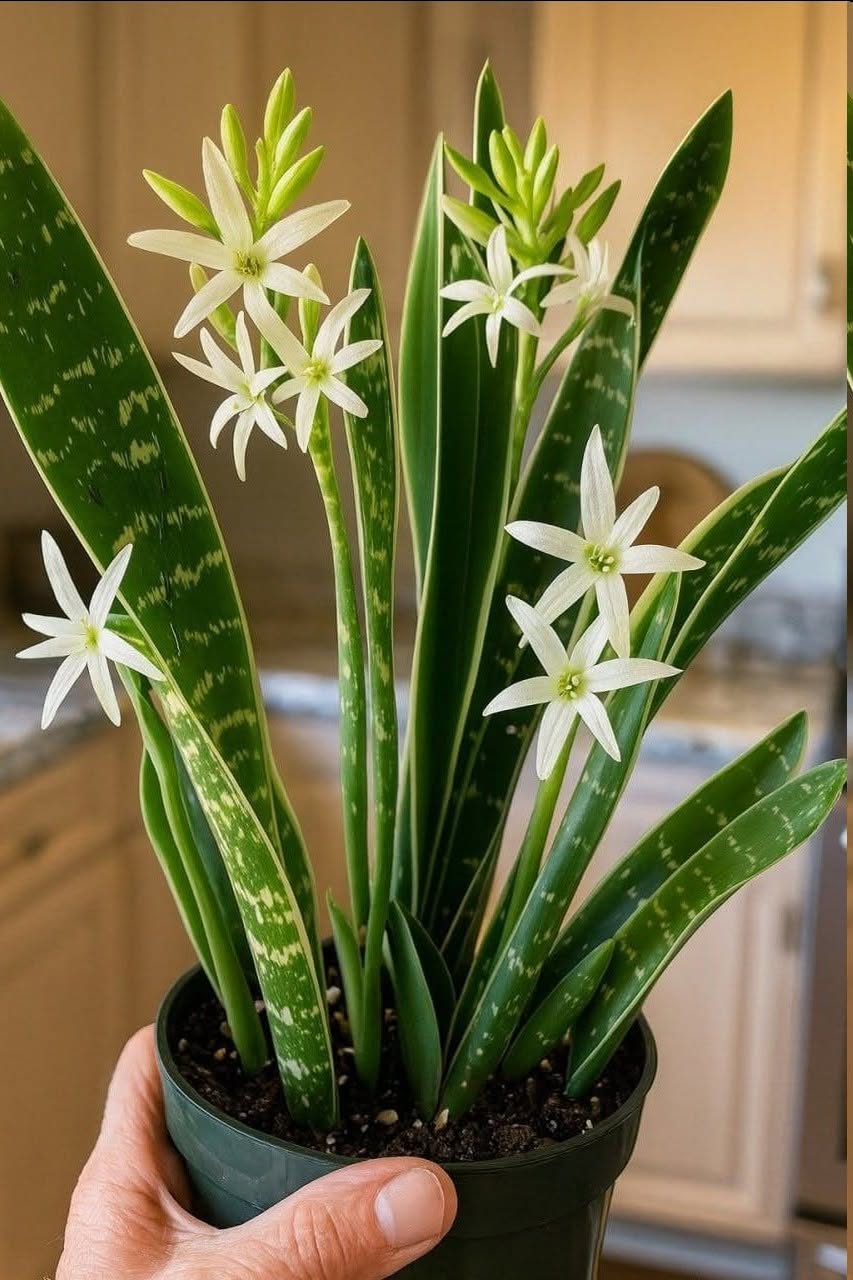
- A flower stalk emerging from the center or base
- Clusters of delicate blossoms
- A pleasant fragrance that becomes more noticeable in the evening
The blooming period may last several weeks before naturally fading.
Even after flowering, the plant can continue growing and thriving for many years.
Frequently Asked Questions
How often do Snake Plants bloom indoors?
Indoor flowering is relatively uncommon and typically occurs only when plants are mature and growing under favorable conditions.
Are Snake Plant flowers fragrant?
Yes. Many blooms produce a sweet fragrance that is often strongest during evening hours.
Does flowering harm the plant?
No. Flowering is a natural part of the plant’s life cycle and generally does not damage a healthy specimen.
Can young Snake Plants bloom?
Flowering is more common in mature plants that have established strong root systems.
Final Thoughts
Although Snake Plants are primarily grown for their architectural beauty and easy-care nature, their flowers are a hidden surprise that many plant owners never expect to see.
By providing bright indirect light, proper watering, well-draining soil, and consistent care, you can create the ideal environment for healthy growth and potentially encourage blooming.
Even if your Snake Plant never flowers, its resilience, beauty, and low-maintenance requirements make it one of the best houseplants for any indoor space.